
What is OpenAI Codex?
Codex is OpenAI’s AI-assistant that can write code, run commands, and control desktop apps. It works like a smart teammate that listens to natural-language instructions and turns them into code or UI actions.
Codex Now Lives in the ChatGPT Mobile App
In May 2026 The Verge reported that OpenAI added a preview of Codex to the ChatGPT iOS and Android apps. The feature is available to all plans, including the free tier.
- 📱 Control your desktop from your phone – tell Codex what to do, watch screenshots and terminal output in real time.
- 🔧 Approve or edit commands before they run – keep full control over file changes or system actions.
- ⚡ Run background agents – Codex can work on tasks while you continue using your computer.
How to Start Using Codex on Your Phone
1. Open the ChatGPT app (iOS or Android).
2. Tap the "Codex" button on the bottom navigation bar.
3. Choose a project or start a new one.
4. Type a natural-language request, e.g., "Create a React login page."
5. Watch the live preview appear as screenshots or terminal logs.
6. Approve the changes or ask for edits.
Why This Matters for Developers
Before this update, developers needed to be at their laptop to start a Codex session. Now they can:
- 🚀 Kick off long-running builds from a coffee break.
- 🛠️ Review test results on the go without opening a full IDE.
- 📊 Combine with other mobile tools like Slack or Notion for quick status updates.
Key Features Highlighted by TechCrunch
| Feature | Description |
|---|---|
| Real-time screenshots | Live images of the desktop show what Codex is doing. |
| Terminal output streaming | See code compile messages and test logs instantly. |
| Agent memory (preview) | Codex can recall past sessions to keep context. |
| Plug-in integrations | 111 built-in plug-ins (GitLab, CodeRabbit, Slack, etc.). |
Pricing Snapshot (April 2026)
Plan          | Monthly Cost | Codex Usage
--------------|--------------|-------------------------
Free          | $0           | 5 hours of background time
Go (formerly Plus) | $20          | 20 hours, priority queue
Enterprise    | Custom       | Unlimited, pay-as-you-go
How It Differs from Competitors
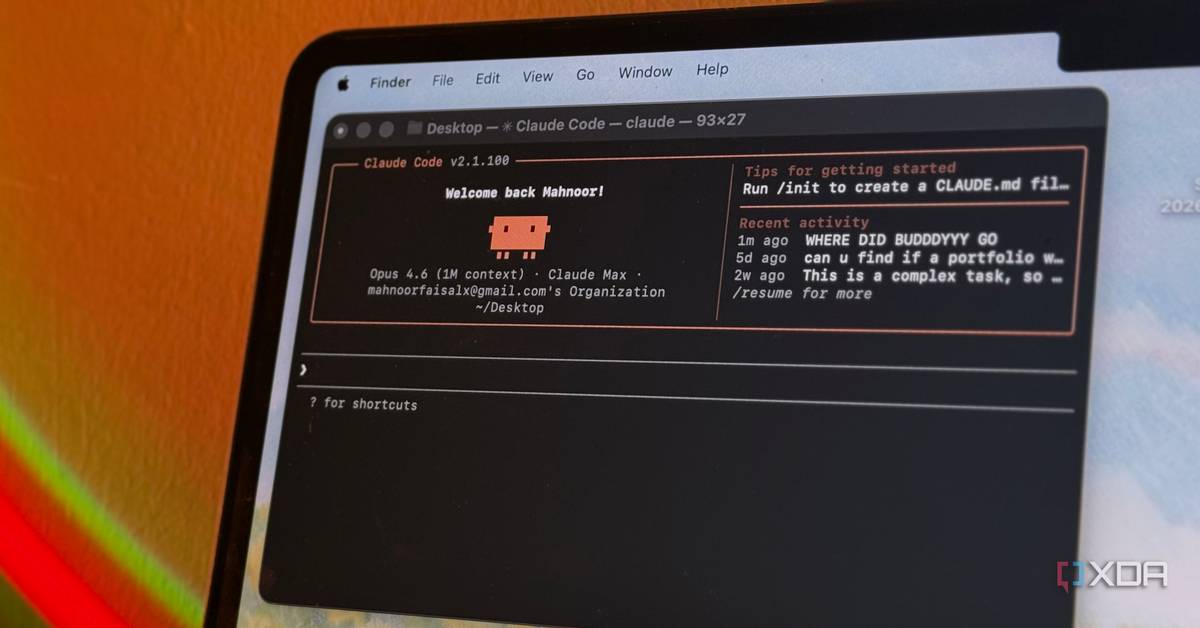
Anthropic’s Claude Code still focuses on single-session coding. Codex’s mobile preview adds:
- 📱 Mobile-first control panel.
- 🔄 Background agents that keep working while you use other apps.
- 🧠 Memory feature that remembers past commands.
Getting Ready: Tips for a Smooth Experience
- Make sure your desktop has the latest OpenAI client installed.
- Enable two-factor authentication for added security.
- Grant the app permission to access your local network (required for live updates).
- Start with small tasks (e.g., generate a function) before handing off long builds.
Future Outlook
Analyst Ming-Chi Kuo predicts OpenAI may later launch a dedicated hardware phone that runs AI agents directly on the device. While that product is still slated for 2028, the Codex mobile preview is the first step toward a phone-first AI coding experience.
“Codex on the phone turns a laptop into a remote workstation you can steer from anywhere,” said Chris Lehane, OpenAI’s chief global affairs officer.
Conclusion
OpenAI’s decision to embed Codex in the ChatGPT mobile app gives developers a powerful, on-the-go way to harness AI coding. The real-time feedback, background agents, and plug-in ecosystem make it a practical tool for everyday work, not just a demo. If you code regularly, try the free preview today and see how much faster you can get things done.