
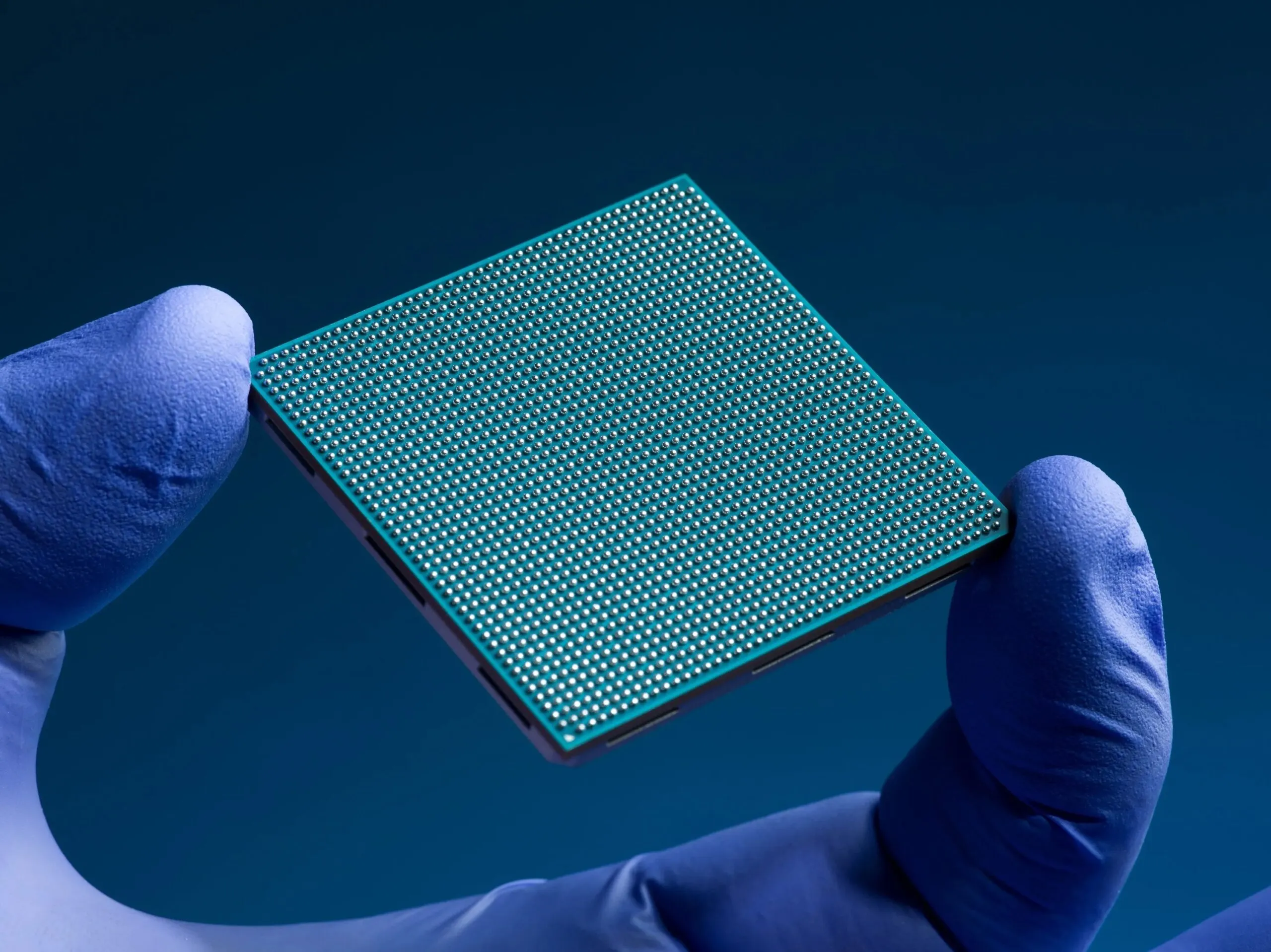
What the New Processor Is
High Performance Spaceflight Computing (HPSC) is a system‑on‑a‑chip built by Microchip Technology. It fits in the palm of a hand yet bundles multiple CPU cores, networking, memory and I/O into one low‑power package.
The chip is radiation‑hardened, meaning it can survive the harsh particle environment of deep space without crashing.
Why It Matters
Current spaceflight computers struggle to run modern AI algorithms. HPSC promises up to 100 times the computational capacity of today’s rad‑hard chips, and early tests show performance up to 500× higher.
- Enables real‑time decision making on board.
- Reduces reliance on Earth‑based control.
- Boosts data analysis for missions to the Moon, Mars and beyond.
Testing Regimen at JPL
Since February, NASA’s Jet Propulsion Laboratory has put the chip through a rigorous campaign:
- Radiation exposure to mimic solar and cosmic particles.
- Thermal cycling from extreme cold to heat.
- Shock tests replicating launch vibrations.
- Functional runs using high‑fidelity landing scenarios from past missions.
Project manager Jim Butler says the processor is performing as designed across all tests.
Future Applications
Once certified, the HPSC will appear in:
- Earth‑orbiting satellites.
- Planetary rovers and landers.
- Crewed habitats for lunar and Martian missions.
- Deep‑space probes requiring autonomous AI.
Microchip is also adapting the technology for aviation and automotive manufacturing, showing the chip’s versatility beyond space.
"Building on the legacy of previous space processors, this new multicore system is fault‑tolerant, flexible, and extremely high‑performing," said Eugene Schwanbeck, NASA Game Changing Development program manager.
What’s Next?
Testing will continue for several months before the chip receives flight certification. When it does, NASA expects a new generation of missions that can think, react, and learn far from Earth.
