What sparked the lawsuit?
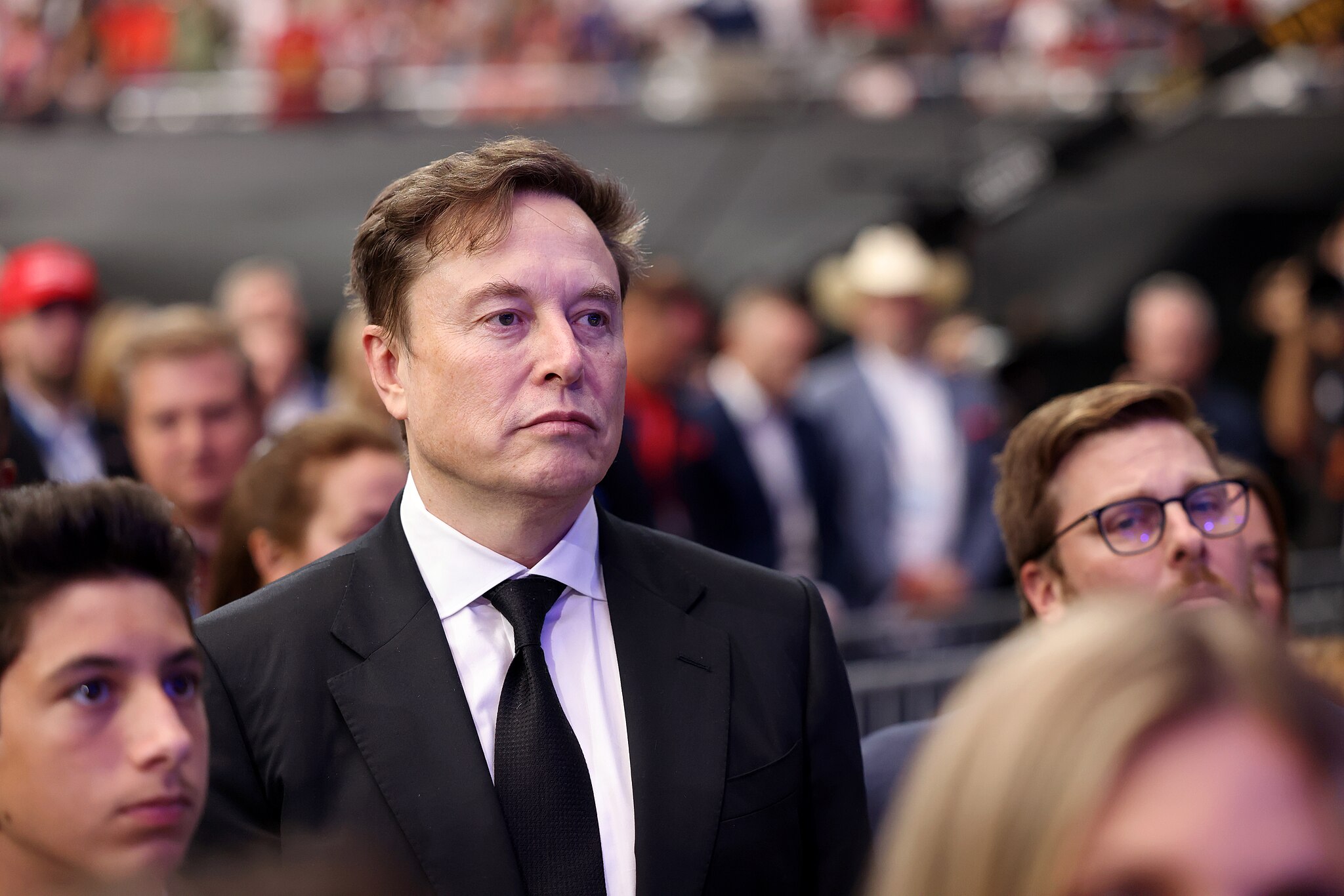
In 2024 Elon Musk filed a civil suit in the U.S. District Court for the Northern District of California. He claims OpenAI broke its original promise to stay a nonprofit and used his $38 million donation for a for‑profit arm.
- ⚖️ Two main claims: breach of charitable trust and unjust enrichment.
- 💰 Musk asks the court to force OpenAI to return up to $150 billion to its nonprofit foundation.
- 🛑 He also wants CEO Sam Altman and President Greg Brockman removed from leadership.
Key players on the stand
The trial, which began in late April 2026 in Oakland, has featured testimony from both sides.
Elon Musk opened the case, accusing Altman and Brockman of “stealing a charity.” He argued that the for‑profit subsidiary now controls the nonprofit.
Sam Altman took the stand on May 12, 2026. He described the split as a disagreement over control, not a betrayal. Altman said Musk left the board in 2018 and that the for‑profit structure was needed to raise capital.
Greg Brockman and former board chair Taylor also testified, confirming the 2019 creation of the for‑profit arm and the 2023 restructuring into a public‑benefit corporation.
Recent developments – the homestretch
After three weeks of evidence, the trial entered its final stage:
+----------------------+-------------------+
| Date                 | Event             |
+----------------------+-------------------+
| Apr 28, 2026         | Trial begins      |
| May 5, 2026          | Musk offers settlement |
| May 12, 2026         | Altman testimony  |
| May 16, 2026         | Closing arguments |
+----------------------+-------------------+
Closing arguments are scheduled for Thursday, May 16, 2026. Judge Yvonne Gonzalez Rogers is expected to issue a decision or advisory jury verdict within the next week.
What could the outcome mean?
If Musk wins:
- OpenAI may be forced back into a pure nonprofit model.
- Altman and Brockman could lose board seats.
- The company’s planned IPO for later in 2026 could be delayed or cancelled.
If OpenAI wins:
- The for‑profit structure stays, keeping the $10 billion Microsoft investment intact.
- Musk’s claim of “stealing a charity” is dismissed, limiting his ability to seek damages.
- The decision may set a precedent for how AI startups balance nonprofit missions with commercial growth.
Why does this case matter to you?
AI tools like ChatGPT, Claude, and Gemini are now part of daily work, education, and entertainment. The court’s ruling will shape how these tools are funded, governed, and regulated.
For developers, a nonprofit‑only OpenAI could mean slower access to large‑scale models. For investors, the decision will clarify the risk of backing AI firms with hybrid structures.
How to stay updated
Follow these reliable sources for real‑time updates:
- 🔗 CNBC
- 🔗 NPR
- 🔗 CNN Business
Set Google Alerts for “Elon Musk OpenAI trial” to get the latest headlines as soon as they are published.
"The outcome will either reinforce the nonprofit ideal for AI research or confirm that commercial backing is essential for scaling safe AI," said tech‑law analyst Maya Patel.
Bottom line
The Elon Musk‑OpenAI lawsuit is at the finish line. With closing arguments this week, the decision will likely arrive by early June 2026. Whether the court forces OpenAI back to a pure nonprofit or lets the for‑profit arm stay, the ruling will set a clear direction for the future of AI development and investment.